

- Kenyan FC players have won hundreds of thousands of shillings through major tournaments, with some international competitions offering even bigger opportunities.
- Tournament winnings are only one income stream, with team opportunities, sponsorships, content creation, event production and refereeing creating other career paths.
- From weekly KSh 10,000 competitions to major events with over KSh 500,000 prize pools, Kenya’s esports scene is creating opportunities.
Table of Contents
Esports as a career in Kenya is no longer just a conversation between gamers who believe they are good enough to compete. There is real money changing hands, players are travelling to international tournaments, teams are building rosters, and new events are giving young people more opportunities to turn their skills into something valuable.

For years, many gamers have heard some version of the same warning: stop playing and concentrate on something that will earn you money.
But what happens when someone wins KSh 500,000 playing a video game (EA SPORTS FC)? What happens when another player travels to Nigeria for a tournament, wins a prize worth more than KSh 70,000, or earns money through weekly online competitions?
Suddenly, the conversation becomes a little more complicated.
Gaming is not guaranteed employment, and most players will not become millionaires from tournaments. But Kenya’s competitive scene is showing that there are several ways for talented and committed gamers to earn money, develop skills and build careers around esports.
Esports as a Career in Kenya: The Money Is Real
The easiest place to see the opportunity is through tournament prize money. Kenyan FC has produced some major paydays, and the latest examples show that players can earn significant amounts by competing at both local and international events.
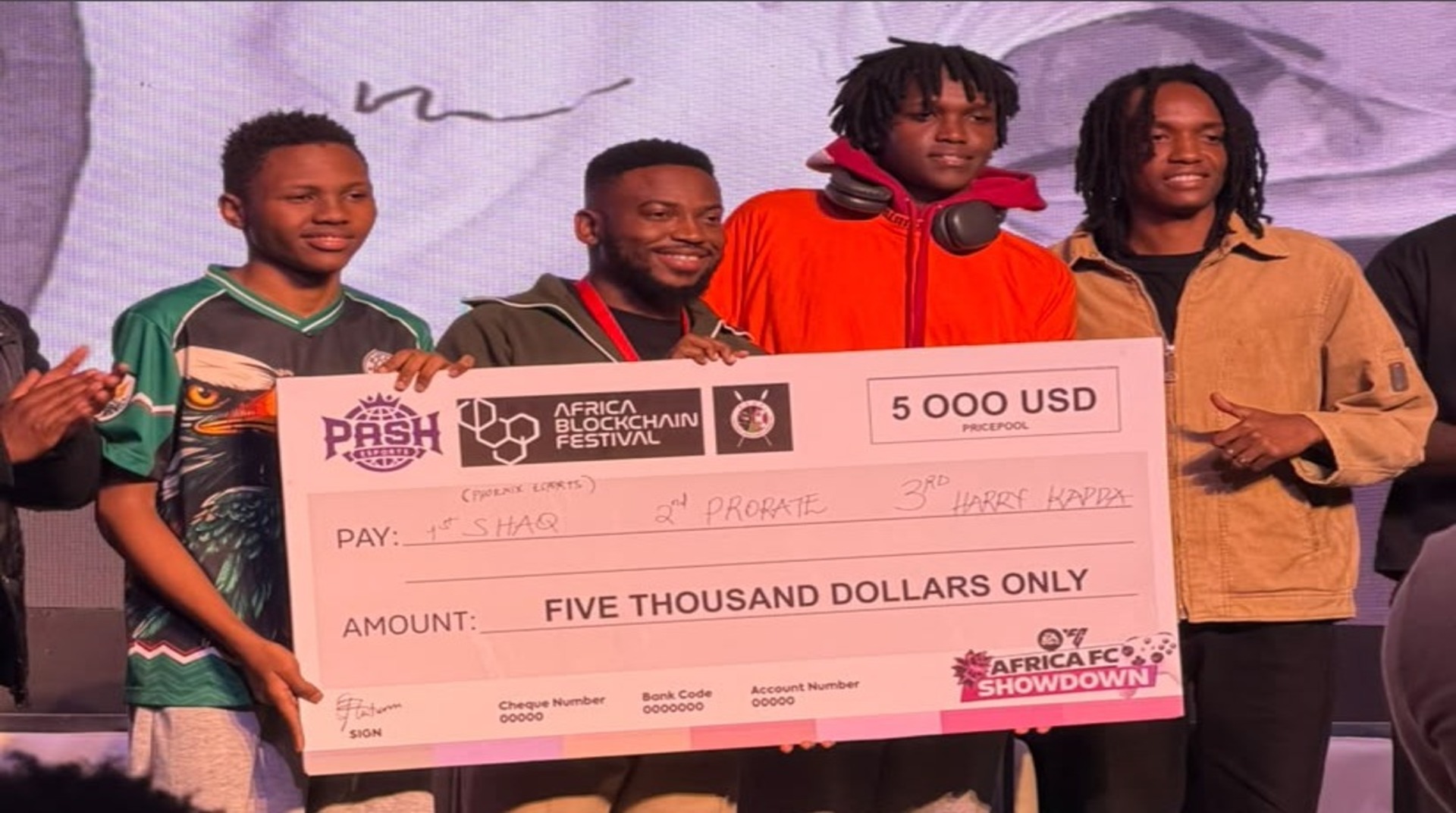
On Friday, October 16, 2026, Jeremiah Mulinge, alias Shaq, won $3,000, approximately KSh 390,000, at the Africa FC Showdown in Nairobi. The Phoenix Esports player defeated Caleb Ayiebei, alias Prorate, 2-1 in the Grand Final to claim the biggest share of the tournament’s $5,000 prize pool.
Prorate earned $1,250, approximately KSh 162,250, while Harry Thuku, popularly known as Harry Kappa, took third place and received $750, approximately KSh 97,350. Three Kenyan players shared $5,000 in prize money, with the results showing just how much a strong tournament run can be worth.
But the money has not been limited to competitions on Kenyan soil.
In September 2026, Shaq and Prorate travelled to Lagos, Nigeria, for the CADE Esports Rivalry Series Season 2, where Kenya made its debut against teams representing four other African countries: Nigeria, Senegal, Ghana and Côte d’Ivoire.
Kenya did not simply turn up to participate. Shaq and Prorate delivered an outstanding campaign, finishing unbeaten as a team and lifting the trophy ahead of Senegal, Nigeria, Ghana and Côte d’Ivoire.
The financial reward added to the achievement. Shaq and Prorate each received more than KSh 70,000, while Prorate was also named Player of the Tournament after winning all four of his individual matches.
ALSO READ: Kenya Wins Rivalry Series as Prorate Goes Unbeaten
Harry Kappa, won KSh 500,000 after taking the Betika Esports Showdown title in 2025. Prorate, finished runner-up and earned KSh 250,000.
The year before, Santiago eHub captain Mcoasty won another KSh 500,000 Betika title after beating Makuer in the final.

To be honest, those are not small amounts.
For a young Kenyan, a tournament win at that level can make a serious difference. It can help pay education costs, support a family, purchase equipment or fund further competition.
Other tournaments have delivered significant rewards too. Trex reportedly earned KSh 90,000 after winning the Rangers tournament late last year.
And Kenyan players are not limited to competitions at home.
Brian Mutua, alias Lil Pip, alongside other Kenyan FC gamers travelled to Uganda and won the Paritek Pro Series, taking home approximately KSh 70,000 in Kenyan-shilling value from the UGX 2 million prize. It was another example of a Kenyan player crossing the border and earning from competitive FC.
The point is not that every tournament offers this kind of payout. It does not.
The point is that the opportunities are already there, and the rewards can be meaningful when a player performs.
Smaller Tournaments Can Still Put Money in Your Pocket
Not every player needs to win a KSh 500,000 tournament to earn something from gaming.
Kenya has a growing calendar of weekend tournaments, gaming lounge competitions and online events. Some have prize pools of KSh 10,000, KSh 15,000, KSh 30,000 or more, depending on the organiser and competition.
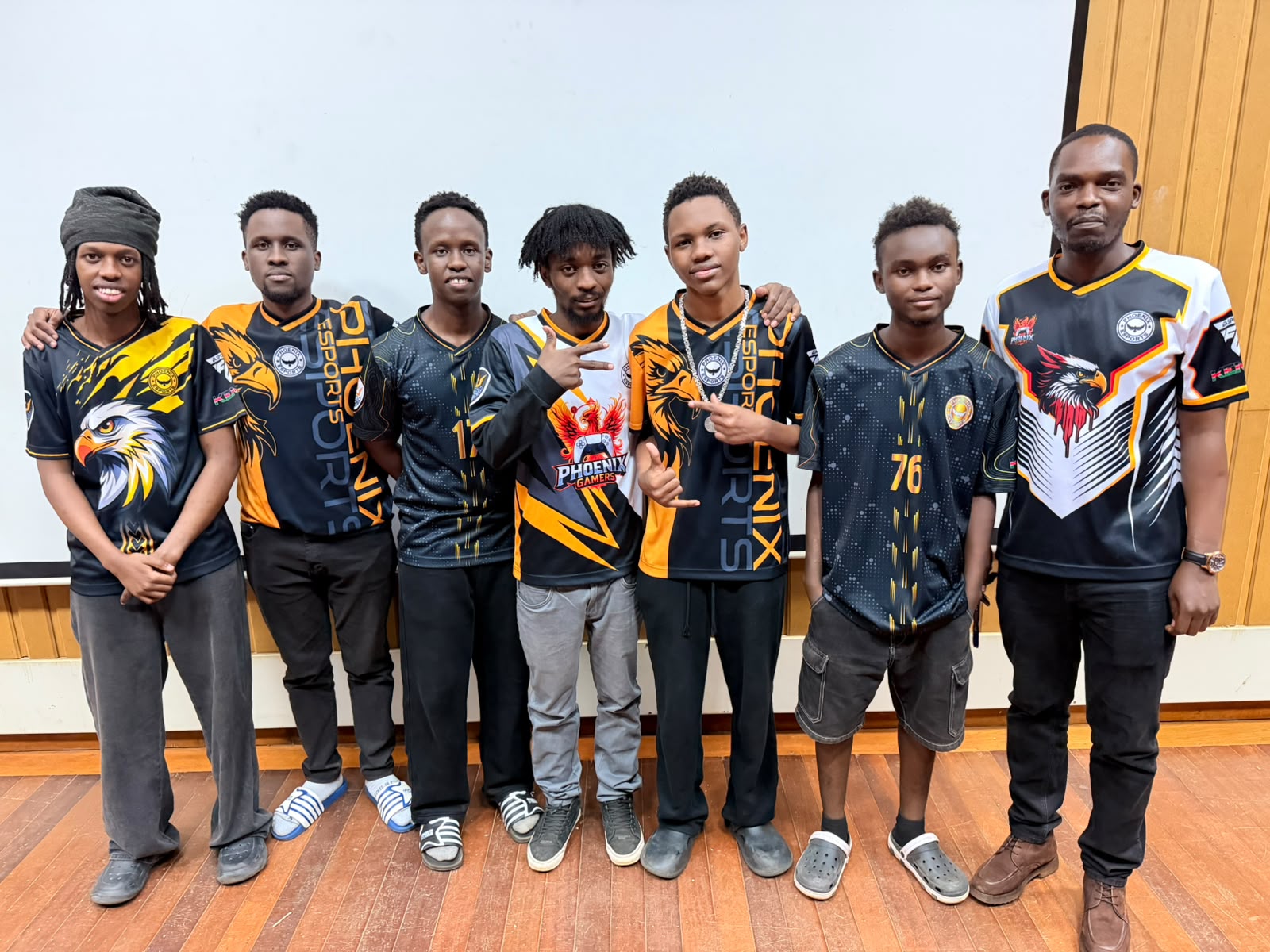
The Africa Ultimate Series, for example, has regularly run weekly online FC tournaments with KSh 10,000 prize pools. Shaq won multiple editions during the FC 26 season, showing how consistent participation can create repeated opportunities rather than one shot at a major title.
The recently concluded Ultimate Controller League Season 3 also demonstrates how these events work. Prorate beat Jesse 6-5 in the final to win KSh 20,000, while Jesse took KSh 15,000 and Harry Kappa finished third with KSh 10,000. The tournament offered a total prize pool of KSh 50,000 across five positions.
ALSO READ: Ultimate Controller League 3: Prorate Beats Jesse in Thrilling Final
A player who regularly makes the top five can collect several smaller payouts over time.
Esports As a Career in Kenya: The Biggest Events Can Change a Player’s Season
At the higher end of the scene, large competitions can offer players an opportunity to make significant money in a single weekend.
The Homeboyz Esports qualifiers event in Nairobi brought approximately 250 gamers together across two days, with six game titles and a combined KSh 500,000 prize pool.
The main event will run for weeks and titles that will be played during that period include EA SPORTS FC 27, eFootball Mobile, Tekken 8, Mortal Kombat, PUBG Mobile and Call of Duty Mobile.
ALSO READ: Homeboyz Esports Qualifiers: Lord7, Lil Pip and Masha Earn FC 27 Contracts
The SportsBiz Africa Esports Cup in Kigali offered another example. In 2026, the EA SPORTS FC 26 tournament carried a US$10,000 prize pool, with cash rewards extending beyond the champion to the top eight.
East Gamers covered the prize structure and the opportunity for East African players. The top-eight finishers, including the Kenyan duo Harry Kappa and Prorate, earned about KSh 50,000 each.
ALSO READ: Egypt’s Anas Badr Wins SportsBiz Africa Esports Cup 2026
These events also show why competition beyond Kenya matters. A player can gain international experience, build a name outside the local scene and potentially qualify for future opportunities.
Still, one big win should not be mistaken for a stable monthly income. Tournament earnings can change sharply from one month to the next.
Team Contracts Can Open Other Doors

Tournament cash is only one part of the picture when talking about esports as a career in Kenya.
Joining an esports team can give a player a platform, access to better competition, training opportunities, visibility and a chance to work with organizers and sponsors.
Some arrangements may include financial support or performance rewards, although the terms vary and not every player receives a salary.
The changing Kenyan roster market is already showing how teams can create new opportunities for players.
For example, Homeboyz Esports signed Lord7, Lil Pip and Masha after its FC 27 qualifiers brought together 80 free agents. That meant the players were not only competing for tournament prizes; they were competing for a place in a team.
Such opportunities can give players a more structured competitive environment and help them build their reputations.
Money Matches, Sponsorships and Content Creation
Some Kenyan FC players also earn from organized money matches and special challenges between competitors. These can generate income beyond conventional tournaments, particularly when well-known players attract an audience.
However, the amount depends on the agreement and the match outcome. Players agree on the rules, stakes and payment terms in advance.
Sponsorships offer another possibility when it comes to esports as a career in Kenya.
A player with a strong reputation, an engaged audience and a professional public image may attract support from brands, gaming businesses or tournament organizers.
Content creation can also become part of the income mix. Streamers and creators may earn through advertising, paid partnerships, subscriptions or other platform-specific opportunities, depending on their audience and eligibility.
For some players, competitive gaming can therefore become one part of a wider personal brand rather than their only source of money.
You Do Not Have to Be the Player
There is another side of esports as a career in Kenya that deserves more attention.
Not everyone who loves gaming will become a professional competitor. That does not mean there is no career opportunity for them.
Esports events need people to run brackets, manage players, referee matches, host broadcasts, produce graphics, edit videos and organize venues. Teams need social media managers, photographers, designers and people who can build relationships with sponsors.
Kevin Wambua’s opportunity to officiate at EVO in France in 2026 is a useful Kenyan example. His work as an esports referee showed that international opportunities can extend beyond the people holding the controllers.
ALSO READ: Kevo Prince EVO France 2026: Kenyan Referee Earns Historic Global Call-Up
There are also opportunities in gaming journalism, including interviews, tournament reporting, player profiles and live event coverage.

These roles require their own skills, preparation and professionalism. But they demonstrate that esports can support an entire network of jobs, not only players chasing trophies.
The Challenges Are Still Real
It would be misleading to present gaming as an easy route to money.
Most tournaments have limited prize pools, and only a small number of players collect the largest rewards. Even talented competitors can go several weeks or months without winning.
Players also face costs that ordinary fans may not think about. Consoles and PCs are expensive. Internet connections can be unreliable. Electricity outages can interrupt training or even decide online matches. Travel and international documentation can create further barriers.
Parents and schools also have a role to play. Competitive gaming requires discipline and time management, and it should not come at the expense of education, health or financial security.
Why Esports As a Career in kenya Matters for Kenya’s Gaming Community
Kenya’s esports scene is building more opportunities, from local weekend tournaments to multi-game events and international competitions.
The Homeboyz Esports League is another example of a larger competitive structure bringing multiple games and a KSh 500,000 overall prize pool into the conversation. The goal is not only to reward one champion, but to create more organized competition across different titles.
For young gamers, that means the pathway is becoming more varied.
Some will make money as players. Others may become referees, creators, coaches, event organisers or media professionals. Some will combine gaming with other work or study while they build their skills.
The most important change is that the conversation has moved beyond whether gaming can produce value at all. Kenyan tournaments have already shown that it can.
The next challenge is building a more reliable ecosystem around that opportunity, including fair competition, dependable organisers, stronger sponsorships, better infrastructure and clearer pathways into professional work.
Click this link to follow our WhatsApp channel and stay up to date with gaming news. You can also find us on Facebook, X and Instagram to for the latest East African and global happenings in the gaming world.