
Table of Contents
Kenya Gaming Policy is suddenly becoming a much more serious conversation because Kenyan esports players are no longer simply asking for international opportunities, they are starting to get them.

And the timing could hardly be more interesting.
In recent weeks, Kenyan players and national teams have secured places at major competitions in Morocco and Los Angeles. Harry Kappa and Shaq are preparing for an international FC 26 battle in Lagos. More Kenyan players are expected to travel to Kigali for the SportsBiz Africa Esports Cup. Kevo Prince is taking another route into the global esports industry through EVO.
ALSO READ: Africa ENC Top 500 Leaderboard: Kenya Places 16 Players Among Africa’s Best
Then Dennis Itumbi, the Head of Presidential Special Projects and Creative Economy, came out with a direct message to the gaming community. He wants gamers to talk to him. Not just professional players. Gamers, esports players, developers, streamers and people working across the industry.
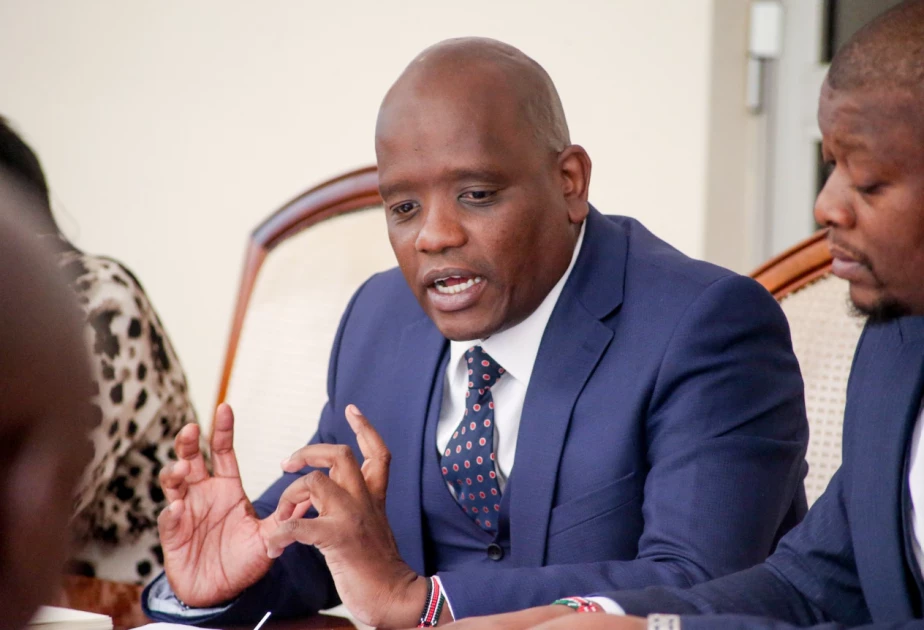
He wants to know what government can do to make gaming a real career, attract major tournaments and developers, improve infrastructure, provide funding and potentially make Kenya a headquarters for the gaming industry.
“I’m looking for Kenyan gamers, esports players, developers and streamers. I want to learn what do we do for your industry. How do we come up with a policy that can position you within government and also connect you to the international community.” He said on a video posted on Instagram.
That would already be a big conversation. But what makes it even more interesting is that Kenyan esports is giving him something very important to look at. Proof. The players are already moving.
Kenya Gaming Policy: What Dennis Itumbi Is Actually Asking Kenyan Gamers to Do
Itumbi’s message was not simply a call for gamers to celebrate their hobby. He asked them to explain what the industry needs. Among the questions he raised were how Kenya can help a 17-year-old gamer see gaming as a career, how the country can attract major players and developers, how it can host big tournaments, and how government can support the infrastructure needed for the industry to grow.
He also floated the idea of developing a Kenyan gaming and interactive policy and positioning Kenya as a major African gaming destination over the next five or six years. That is ambitious. But it is also the right question to ask now.
For a long time, many Kenyan gamers have had to explain why gaming should be taken seriously. Parents worried it was a distraction. Some people saw competitive gaming as something that could never become a proper career.
The recent results are making that argument harder to ignore. A player can now qualify for an international competition. A national team can travel to a continental championship. A Kenyan can get a professional opportunity outside the country. And someone else can build an esports career without even being the person holding the controller. That last part is important.
Kenya Is Already Building International Esports Stories
Look at what has happened recently. Kenya’s eFootball and Rocket League national teams are currently in Casablanca, Morocco for the FIFAe Continental Championship, where they will face some of the best teams on the continent with a route towards the FIFAe World Cup on the line.
The eFootball side includes brothers Martin and Daniel Kibiwott, who will represent Kenya on the international stage. That is a completely different level from a local weekend tournament. These are national teams. These players are travelling because they earned the right to represent their country.
The Los Angeles Tickets Make the Picture Even Bigger
Then came another wave of good news. The Global Esports Games 2026 qualifiers produced more Kenyan international representatives, with the country securing places in NBA2K and eFootball.
The federation announced that Kenya had qualified for the NBA2K competition after topping the regional qualifier. There were also major eFootball breakthroughs.
Martin Kibiwot secured another Kenyan ticket to Los Angeles through the regional qualifiers, while Shirley Ndirangu also booked a place in the eFootball console competition ladies pool.
Different competitors are finding different routes onto the international stage. And Los Angeles is not a small destination. The Global Esports Games are scheduled for December, giving Kenyan representatives another major international assignment to prepare for.
Suddenly, the idea of a Kenyan gamer travelling overseas to compete does not sound unusual anymore. It is becoming part of the calendar.
Kevo Prince Shows There Is More Than One Way Into Esports
Then there is Kevin Wambua, alias Kevo Prince, whose story deserves attention for a completely different reason. When people hear the word esports, the first image that normally comes to mind is a player sitting behind a controller.
But esports needs more than players. It needs referees. It needs broadcasters, tournament officials, coaches, managers, content creators, event staff and many other people working behind the scenes.
ALSO READ: Kevo Prince EVO France 2026: Kenyan Referee Earns Historic Global Call-Up
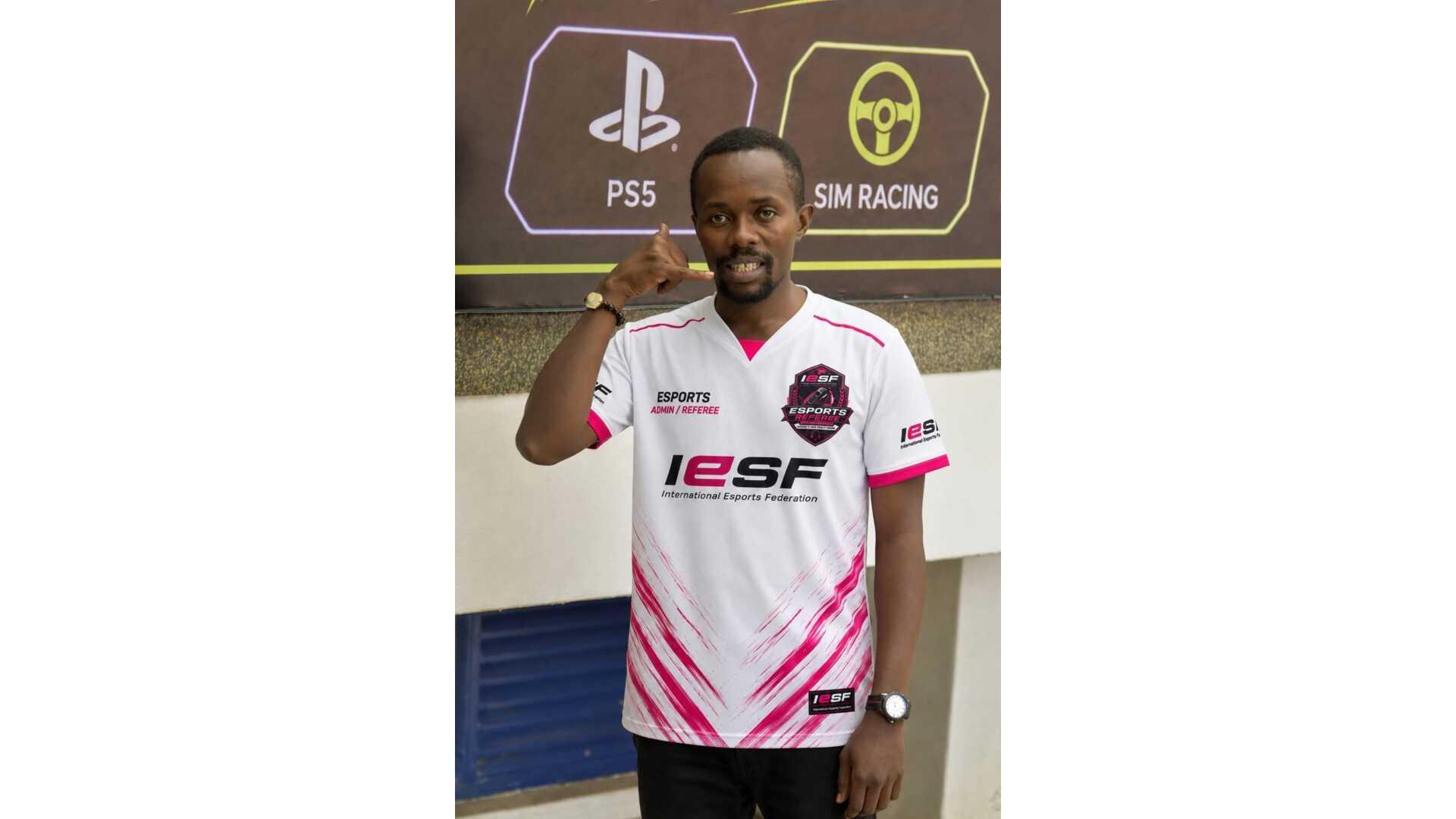
Prince’s EVO story is a perfect example. He has been involved in the competitive scene from the official side and is heading into the EVO environment in France as an esports referee.
That might not get the same attention as winning a tournament but it should. Because if Kenya wants a serious gaming industry, young people need to understand that there are multiple ways to build a career around esports.
You don’t necessarily have to become the next Kappa or Shaq. You can build a career around the games in other ways. And that is exactly the kind of pathway government policy should be thinking about.
FC 26 Is Taking Kenyan Players Across West Africa
The international movement does not stop in Morocco or Los Angeles. In September, Harry Thuku Douglas, alias Harry Kappa, and Jeremiah Mulinge, alias Shaq, are expected to represent Kenya at the Rivalry Series 2026 in Lagos, Nigeria.
ALSO READ: Rivalry Series 2026: Everything You Need to Know
The event will bring together teams representing five African countries:
- Nigeria
- Ghana
- Senegal
- Côte d’Ivoire
- Kenya
The tournament runs from September 4 to 6 and features eight teams and 10 players, with teams competing across a three-day schedule. There is also expected to be another layer around the event.
Several money matches between Kenyan players and West African competitors are expected to take place around the tournament, creating another opportunity for Kenyan FC players to test themselves against opponents they would rarely meet at home.
That is how an esports ecosystem grows. Not only through official tournaments, but through rivalries, money matches, travel, content and relationships between players from different countries.

Then Kigali Is Waiting
And after Lagos, the attention will turn to Rwanda.
Several Kenyan FC 26 players are expected to head to Kigali for the SportsBiz Africa Esports Cup, although their names had not been officially announced at the time of writing. That competition is a serious test.
The 2026 EA SPORTS FC 26 edition is expected to feature 32 players from across Africa, with a $10,000 prize pool, making it four times larger than the eight-player inaugural edition in 2025.
ALSO READ: Harry Kappa: Career, Achievements and Journey in Kenyan Esports
The first edition already showed the level of competition involved. South Africa’s Zaid April won the 2025 tournament, while Egypt’s Xmozaa finished runner-up. The 2026 field is expected to feature more of Africa’s strongest players, including names such as AnasBadr_.
For Kenyan players, this is exactly the type of tournament that matters. Kappa already knows what that environment feels like after finishing in the top four at the 2025 SportsBiz Africa Esports Cup and earning $500.
Now the tournament is bigger. The field is bigger. The prize pool is bigger. And Kenya is expected to have another group of players ready to test themselves.
The International Calendar Is Getting Crowded
This is probably the most revealing part of the whole story. Look at the international events now appearing around Kenyan esports:
- FIFAe Continental Championship — Casablanca
- Global Esports Games 2026 — Los Angeles
- Rivalry Series 2026 — Lagos
- SportsBiz Africa Esports Cup — Kigali
- EVO 2026 — Nice
- Esports Nations Cup — Riyadh (Postponed for one year)
And that list does not even capture every opportunity available to Kenyan players across different games. This is what makes the current moment different.
The international stage is no longer some distant place Kenyan gamers talk about reaching one day. They are already travelling. The question is now whether Kenya can build an ecosystem strong enough to keep producing these opportunities.

Kenya Gaming Policy Has to Be About the Ecosystem
This is where the conversation with government becomes important. If Kenya wants to become a serious gaming hub, it cannot only focus on players. The country needs to think about the entire chain.
That means:
- Better esports infrastructure
- Reliable internet and power
- More international tournament hosting
- Support for game developers
- Player development programmes
- Women’s esports
- Esports education
- Tournament funding
- Better venues
- Content creation
- International partnerships
- Professional opportunities
- Broadcast and production skills
The biggest mistake would be to look at esports as simply young people playing games. The game is the visible part. Behind it is an industry.
A tournament needs a venue, internet, production, referees, commentators, sponsors, marketing and organizers. A professional player needs coaching, training, travel, competition and opportunities. A developer needs funding, skills, tools and access to markets. A creator needs platforms, audiences and ways to earn from the work they produce. That is the ecosystem Itumbi is asking Kenyans to explain.
The Players Have Already Done Their Part
There is something encouraging about the timing of this conversation. Kenyan gamers don’t have to convince government that international success is possible anymore.
The evidence is sitting there. Kappa has played professionally in Morocco. Shaq has pushed through an African qualification route for the Esports Nations Cup despite server issues. The Kibiwott brothers are preparing for a continental FIFAe competition. Kenyan eFootball and Rocket League national teams are travelling to Morocco. Kenyan representatives have qualified for the Global Esports Games in Los Angeles.
ALSO READ: Esports Nations Cup Postponed to 2027: Why ENC Was Delayed
Kevo Prince is showing that esports careers can exist away from the player seat. Kappa and Shaq are preparing for Lagos. More Kenyan FC 26 players are expected in Kigali. And maybe next year, the Esports Nations Cup will bring another major international opportunity in Riyadh.
The talent is not theoretical anymore. It is travelling with passports.
Why This Moment Matters
The biggest opportunity here may not be one particular tournament. It may be the chance to change how Kenya sees gaming. If a teenager is talented at FC 26 today, what happens next?
Can they find a proper local competition? Can they get coaching? Can they build a following? Can they earn money? Can they qualify for an international tournament? Can they become a referee, broadcaster, organizer or creator if they do not become a professional player? Can they eventually work in a Kenyan gaming company?
Those are the questions that turn gaming from a hobby into an industry. And Kenya is already showing that the demand is there. The Nairobi Esports Expo, for example, frames esports as an ecosystem connecting technology, telecommunications, data centres, creativity, media, marketing, skills, jobs, education, entrepreneurship and investment. That is exactly the wider picture this conversation needs.
The Next Five Years Could Decide a Lot
Itumbi talked about where Kenya could be in five or six years. That timeline should not be dismissed. Five years is long enough to build serious infrastructure. It is long enough to develop players. It is long enough to create professional leagues. It is long enough to attract international tournaments. It is long enough to build partnerships with publishers and developers.
It is long enough to create an environment where a young gamer can actually see a career path. But that will not happen because somebody makes a nice speech. It will happen if the people already inside the industry sit down and explain what is actually needed.
Conclusion
The Kenya gaming policy should not be about telling young people to play more games. It should be about building the conditions that allow the best of them to turn that passion into something real.
If you are a player, tell government what players need. If you are a streamer, talk about the challenges of building a career. If you are a developer, explain what would make Kenya easier to build from. If you organize tournaments, explain the infrastructure and funding problems you face. If you are a young gamer wondering whether gaming can actually become your future, say what would make you believe it.
The email shared by Itumbi for those conversations is Creatives@president.go.ke.
Kenya Gaming Policy could be the beginning of that conversation, but this time, the gamers need to be in the room.
Click this link to follow our WhatsApp channel and stay up to date with gaming news. You can also find us on Facebook, X and Instagram to for the latest East African and global happenings in the gaming world.